Online Dating Safety Tips for 2026
Dating online should feel exciting, not exhausting. The right safety habits - paired with a private dating site that takes verification, anonymity, and one-click protection seriously - flip the script. Here is the 2026 playbook for staying safe, staying yourself, and still meeting people worth meeting.
The 7-Point Safety Checklist
The fastest way to date safely in 2026 is to layer seven habits - most of them take less than five minutes to set up.
- Verify your profile and only chat with members who've done the same.
- Use a first name only and keep your last name, employer, and address off-grid.
- Turn on anonymous browsing so your profile views stay private until you say otherwise.
- Blur sensitive photos by default; share full visibility only with people you trust.
- Move slowly through chat - anyone rushing intimacy or money is the red flag.
- Tell a friend the time, place, and a screenshot before any first date.
- Block and report instantly when something feels off. No second chances, no debates.
Step One
Lock Down Your Profile Privacy First
Profile privacy is the single highest-leverage safety habit in online dating. Before you swipe, message, or upload a single photo, decide what a stranger should be able to learn about you in fifteen seconds. The goal isn't paranoia - it's giving your future self room to choose who gets the rest of the story.
Your Sweet Dating is built around the same privacy principles modern private dating sites use: optional photos, approximated location instead of precise GPS, first-name-only display, and an age field that doesn't require a full birth date. Your data is stored only as long as it serves your dating, and deleted once it doesn't.
Before you go live, run this five-line audit on your profile:
- First name only. Skip the surname. A confident first name is plenty.
- Approximate location. "Brooklyn area" beats your exact neighborhood - and the platform handles distance matching for you.
- Age, not birth date. Your year is enough; the day and month are identifiers.
- Generic backgrounds in photos. Crop out license plates, house numbers, employee badges, and gym logos.
- Reverse-image-search yourself. If your dating photos appear on LinkedIn or Facebook, swap them. Re-using public images is the fastest way to get doxxed.
What does this mean in practice? Anyone who tries to identify you off-platform hits a dead end - and that's exactly the friction you want.
Trust, Built In
Why Verified Profiles and Liveness Detection Matter
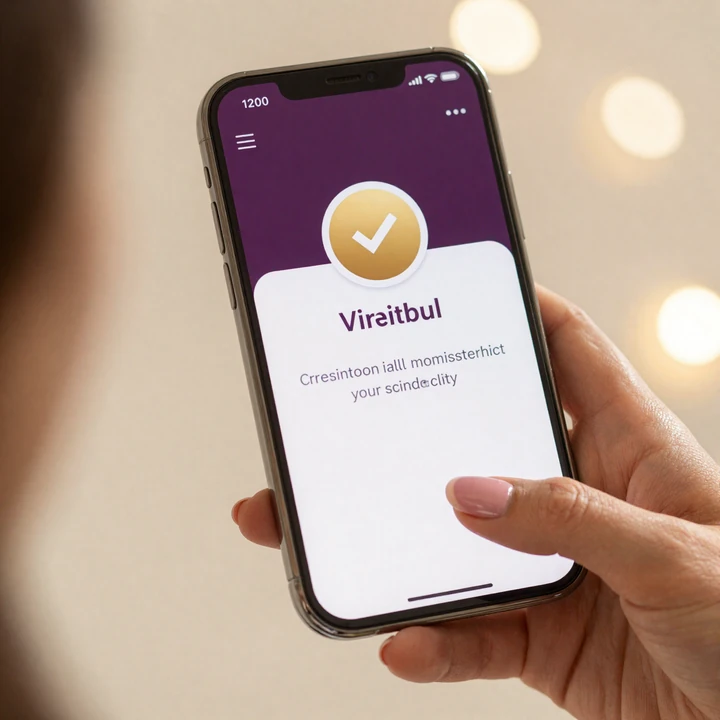
A verified profile is the difference between hoping someone is real and knowing they are. Your Sweet Dating uses advanced liveness detection - a brief, on-device camera check that confirms a real, live person is behind the profile - and rewards verified members with a visible badge that other singles can scan in a second.
This single feature kills three of the biggest online dating risks at once: catfishing (fake faces stolen from social media), bot accounts (auto-generated profiles farming for clicks), and stale ghosts (inactive accounts pretending to be online). According to Pew Research's 2023 dating-app survey, roughly half of users have encountered scams or misleading profiles on mainstream apps. On a verification-first platform, that number drops to a fraction.
Our rule of thumb: only invest emotional energy in verified members. If a profile is unverified after a few days, it usually stays unverified. Treat the badge the way you'd treat a lock on a coffee shop door - it's not bulletproof, but it filters out everyone who isn't serious.
Walk through the full process on our How It Works page, where we break down the four-step signup, the liveness check, and how matching changes once you carry the badge.
Pattern Recognition
Red Flags to Watch in Online Chats
Most online dating problems announce themselves in the first ten messages - if you know what to look for. Here are the seven patterns that should slow you down or stop you cold.
-
They refuse to verify or video-chat
"My camera is broken" for two weeks is not a camera problem. Verified profiles and a brief video call are the floor, not the ceiling.
-
The story keeps changing
Job, city, age, marital status - small inconsistencies pile up fast. Catfishers can't keep their own fiction straight.
-
Money enters the chat early
Crypto tips, "stuck abroad" emergencies, gift cards, or investment advice. Any financial ask before you've met in person is a hard no.
-
They love-bomb in 48 hours
Pet names, wedding talk, and "soulmate" energy before a real date is manipulation, not chemistry. Healthy interest is patient.
-
They push to leave the app immediately
Predators want you off a moderated platform fast. Stay in chat until verification, video, and a planned date are all done.
-
Pressure for explicit content
Demands for nudes, location pings, or videos before trust is built. Your boundaries set the pace; theirs do not.
-
Everything is your fault
You pause to think; they sulk. You ask a question; they get defensive. Emotional volatility in chat doesn't get gentler in person.
Meeting In Real Life
First-Date Safety Tips That Actually Work
Here's the bottom line: the first date is the highest-stakes step in online dating, and the rules that protect you are also the rules that make the date better. Confidence and caution aren't opposites - they share a calendar.
- Pick public, well-lit, and easy to leave. A busy café or wine bar beats a quiet rooftop. You should be able to walk out alone in under sixty seconds.
- Drive yourself or use a rideshare. Never share a car on a first date. Independent transport means you control when the night ends.
- Tell a friend the plan. Send the venue, the time, the match's first name, and one photo. Modern phones make this a fifteen-second tap.
- Set a check-in. A scheduled "thumbs up" text 60 minutes in. If you miss it, your friend has a script for what to do next.
- Watch your drink, watch your cup. Order at the bar yourself, never accept a "surprise" drink, and don't leave anything unattended.
- Keep first dates first. No going home. No "let me show you my place." Daylight builds trust; momentum doesn't.
- Trust the gut. If something feels off in the first five minutes, leave. You owe a stranger nothing - not even an excuse.
Why does this matter? Because the people worth meeting will respect every line on this list. The ones who push back have just told you everything you need to know.
Built for Women, Better for Everyone
Photo Discretion: Blurred Photos and Anonymous Browsing
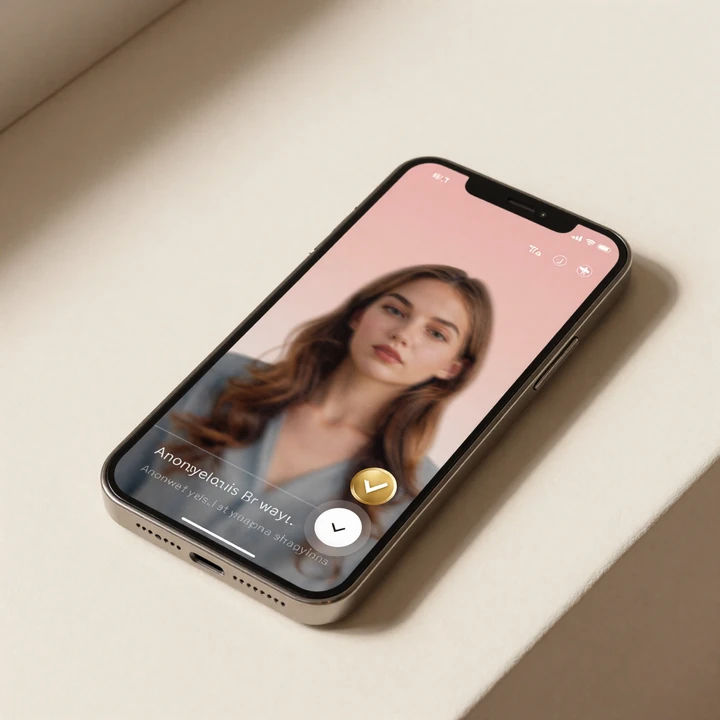
Your Sweet Dating ships with female-friendly safety features baked in - not bolted on. Profiles contain no nudity, dick pics are automatically blurred by default, and women can browse anonymously without revealing their profile photo until they're ready. One click reports, one click blocks. Boundaries are the platform's job, not yours.
That matters because photo control is privacy in disguise. A blurred image you reveal selectively is yours. A clear image cached by a stranger is not. Anonymous browsing means you can scan, save, and pass on profiles without anyone tracking your activity - or guessing who's interested. You decide when to surface.
For a deeper look at how this all stacks up against mainstream apps, see our editorial on dating sites that actually work for niche singles - the safety stack is one of the biggest reasons private dating sites convert better.
One-Click Power
How One-Click Block and Report Protect You
The block button is the most underused safety tool in online dating. Most users hesitate - they want to "be polite," explain themselves, or wait until things get worse. Here's the reframe: blocking isn't a confrontation, it's a closed door. You don't owe anyone an exit interview.
On Your Sweet Dating, one tap removes a profile from your view, your search results, and your inbox - instantly and permanently. The other person isn't notified, isn't shown why, and can't reroute around it. Reports go to a moderation team that reviews patterns, not just single complaints, and accounts that violate community standards lose access to the platform.
Use it generously. A bad opener, a pushy follow-up, a vibe that just doesn't sit right - block. Your inbox is a curated space, and curation is self-care. For a full walkthrough of how matching, messaging, and moderation interact, our How It Works guide covers every step, and the FAQ answers the questions readers ask most after this article.
FAQ
Frequently Asked Questions
Quick answers to the questions readers send us most about staying safe on private dating sites.
What are red flags in online chats?
The biggest red flags in online chats are refusing to verify or video-chat, asking for money or gift cards, love-bombing within 48 hours, pushing you off the app immediately, demanding explicit content before trust is built, story details that keep changing, and emotional volatility when you set boundaries. Any single one is a reason to slow down. Two or more is a reason to block and report.
What is the 333 rule in dating apps?
The 333 rule is a casual modern dating guideline: spend three days messaging in the app, three minutes on a video or voice call to confirm the person is real, and meet in person within three weeks. The idea is to move fast enough to keep momentum but slow enough to verify safety, vibe, and authenticity before investing emotionally.
Is online dating safe in 2026?
Online dating is safer than ever in 2026 when you use a verification-first platform - but the gap between safe and risky has widened. Private dating sites with liveness detection, anonymous browsing, and one-click block tools dramatically reduce catfishing and harassment. Mainstream apps without those defaults still expose users to bots, scams, and unsolicited content.
How do I tell if a dating profile is real?
Look for a verification badge from liveness detection, multiple natural photos in different settings, a bio that mentions specific interests and not generic clichés, and willingness to do a brief video call before meeting. If a profile resists verification, has only one or two heavily filtered photos, or rushes intimate conversation, treat it as unverified until proven otherwise.
Should I share my phone number on a dating site?
Not until you have verified the person, video-chatted, and ideally met in public at least once. In-app messaging keeps you protected by moderation, blocking, and reporting tools. If you do share a number eventually, consider a free secondary line through Google Voice or a similar service so you can disconnect cleanly if needed.
Are private dating sites safer than mainstream apps?
Generally yes. Private dating sites tend to enforce mandatory profile verification, blur sensitive photos by default, allow anonymous browsing, and require less personal data at signup. Mainstream apps optimize for scale, which means looser verification, more bots, and weaker default privacy. The trade-off is community size - but for niche audiences, smaller and safer wins.
Keep Reading
Keep Reading
Safety pairs best with the right community. Walk through our How It Works guide for a full tour of verification, matching, and privacy controls, then pick the room that fits: Size Queen Dating for confident female admirers, Well Endowed Men Dating for honest, verified profiles without the awkward reveal, or BBC Singles Dating for inclusive, body-positive matching.
Want more reading? Our breakdown of how to avoid dating app burnout covers why niche, verified communities are the antidote to mainstream-app fatigue - and how to spot the moment you've found the right room.